Is a Convection Oven the Right Choice for Your Home?
You just pulled a batch of cookies out of the oven. Half of them are golden brown, and the other half are still pale and soft. Sound familiar? If your oven has ever let you down with uneven results, you may have wondered if a convection oven could be the answer.
What Is a Convection Oven?
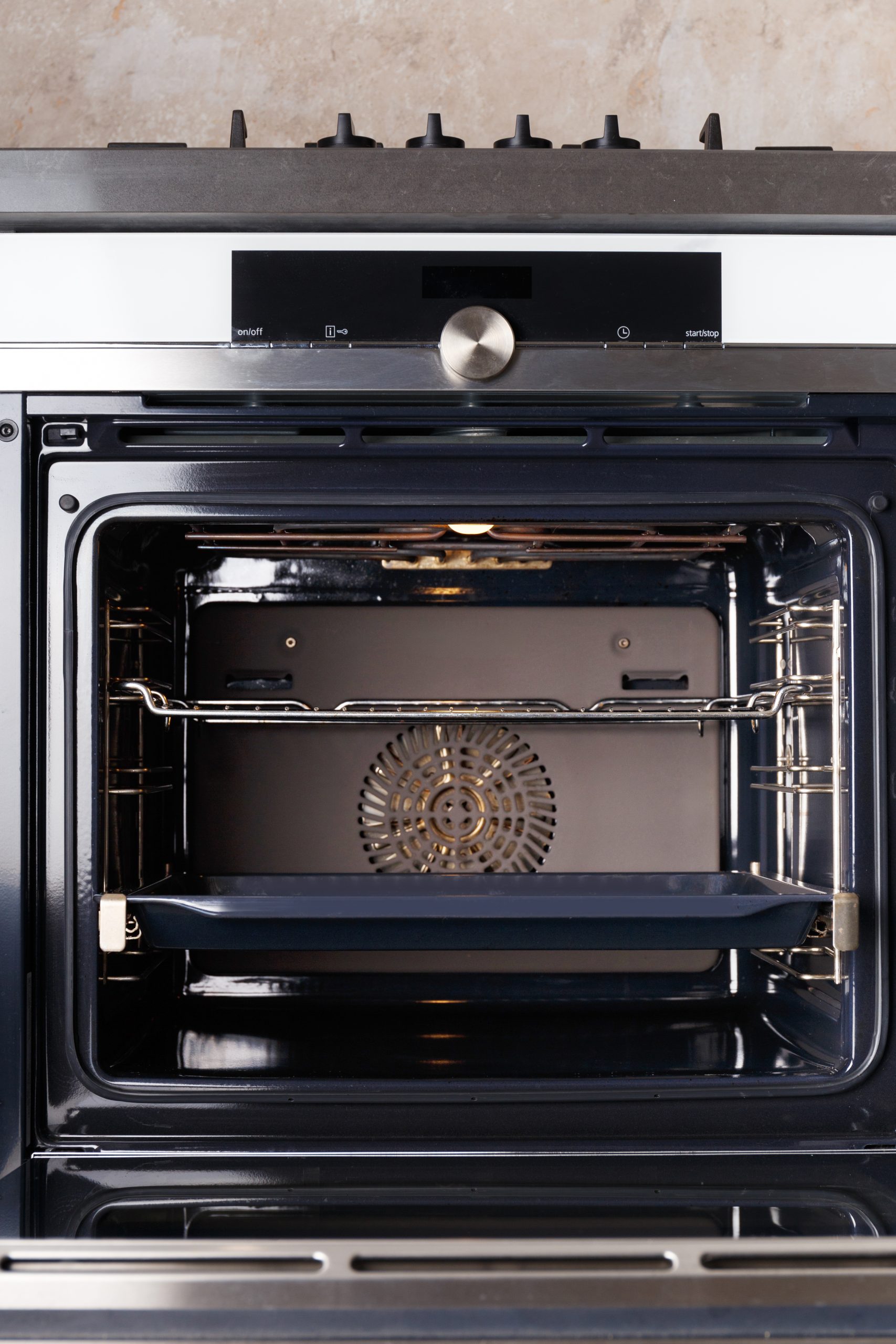
A convection oven looks just like a regular oven on the outside, but the difference is on the inside. It has a built-in fan and sometimes an extra heating element that circulates hot air around your food while it cooks.
In a standard oven, heat rises from the bottom element and just sits there. That’s why you often end up with hot spots and uneven cooking. In a convection oven, the moving air keeps the temperature consistent throughout the entire cavity, from corner to corner.
The result? Food that cooks more evenly, browns better, and is often done about 25% faster than in a traditional oven.
True Convection vs. Standard Convection
Not all convection ovens work exactly the same way. Here’s a quick breakdown:
- Standard convection uses a fan to circulate the oven air.
- True convection (also called European convection) adds a third heating element right behind the fan, so the circulating air is heated directly before it reaches your food.
True convection tends to give more consistent results, especially for baking. If you’re shopping for a new range or wall oven, be sure to ask which type you’re looking at.
Convection Oven vs. Traditional Oven: What’s the Real Difference?
This is one of the most common questions homeowners ask when considering a kitchen upgrade. The short answer is that a convection oven simply cooks differently, and in many cases, better.
Here’s how they compare side-by-side:
- Heat distribution: Convection uses a fan for even circulation; traditional relies on stationary heat that can vary from spot to spot.
- Cooking speed: Convection typically cooks 25% faster, saving valuable time on busy weeknights.
- Temperature adjustments: Most convection recipes call for reducing the temperature by about 25°F or shortening the cook time, something to keep in mind if you’re cooking from older recipes.
- Energy use: Because food cooks faster, a convection oven usually uses less energy per meal.
- Cost: Convection models do tend to run a bit higher in price, though the gap has narrowed in recent years.
One thing worth noting: many of today’s ovens offer both convection and traditional modes. That means you don’t have to choose. You can switch depending on what you’re making. We invite you to explore the available ranges and cooking appliances at Jersey Coast Appliance to find options that fit your kitchen and budget.
What Type of Cooking Is Best Suited For a Convection Oven?
A convection oven really shines in certain situations. If you do a lot of roasting, high-heat baking, or batch cooking, you’ll likely love it. However, there are a few dishes where you might want to switch back to the traditional setting.
Where Convection Cooking Excels
These are the types of cooking where a convection oven is hard to beat:
- Roasting meats and vegetables: The circulating air creates a crispy exterior while keeping the inside tender and juicy.
- Cookies and pastries: You can bake multiple racks at once with much more even browning.
- Pizza: The bottom crust gets crispier and cooks more evenly.
- Sheet pan meals: Great for busy families, as everything cooks faster and more consistently.
- Holiday cooking: When you’re juggling multiple dishes and need the oven to work efficiently, convection makes a big difference.
When to Stick With Traditional Heat
Convection isn’t always the better choice. For some dishes, the fan can actually work against you:
- Delicate cakes may brown too fast on the outside before the center has time to set.
- Soufflés and custards can be disrupted by the airflow, causing uneven rising or a dry surface.
- Quick breads and muffins sometimes rise unevenly due to circulating air.
For these, it’s best to turn the fan off and let the oven work the old-fashioned way, which is exactly why dual-mode ovens are such a practical option for most homeowners.
Are You Ready to Make the Switch?
The decision to make the switch really comes down to how you cook. A convection oven is a great fit if you cook frequently, make a variety of dishes, or prepare large meals for family and guests. It’s also a solid choice if energy efficiency matters to you, since the shorter cook times add up over time.
On the other hand, if you mostly bake delicate recipes or only use the oven occasionally, a traditional oven might serve you just fine, especially if the price difference is a factor.
Ask yourself a few questions before deciding:
- Do I roast, bake, or cook sheet pan meals regularly?
- Am I comfortable adjusting temperatures or cook times slightly?
- Do I cook for a crowd or entertain often?
- Is faster, more even cooking something I’d use and appreciate?
If you answered yes to most of those, a convection oven is likely a worthwhile upgrade for your kitchen.
It’s also worth noting that most modern freestanding ranges and wall ovens now come standard with convection as a cooking mode. So in many cases, you’re not choosing between two separate products; you’re just looking for a model that includes this feature. The range services and sales team at Jersey Coast Appliance can walk you through which models suit your kitchen setup.

Let Us Help You Choose the Perfect Model
At Jersey Coast Appliance, we’ve been helping homeowners in Ocean and Monmouth Counties find the right appliances since 1981. We know that buying a new oven isn’t a small decision, and we’re here to make it easier. Our team will take the time to understand how you cook, what you’re looking for, and what fits your space and budget. No pressure, no guesswork. We carry top brands including Bosch, KitchenAid, GE, Whirlpool, Electrolux, and more, and financing is always available. Whether you’re ready to buy or just starting to look around, we’d love to help. Browse our selection of convection ovens online, or stop by our convenient Toms River showroom.