
How to Test Oven Temperature – Be Prepared for Holiday Cooking
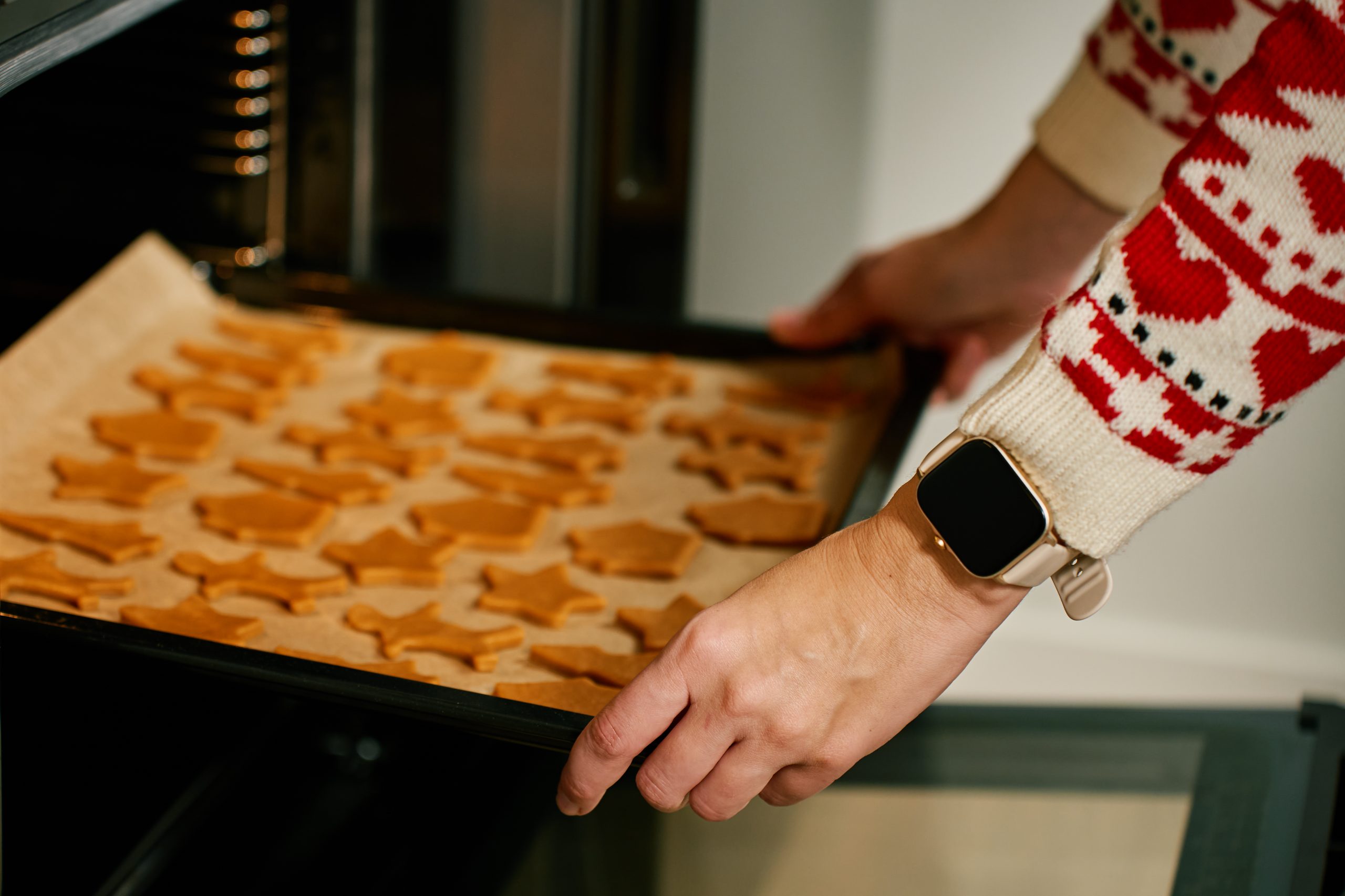
The holidays are just around the corner, which means it’s time for delicious roasts, pies, and cookies. But before you dive into your favorite recipes, it’s worth asking one simple question: How accurate is your oven temperature? Understanding how to test oven temperature can make or break your holiday cooking success. An oven that runs too hot or too cold can lead to burnt edges, undercooked centers, and plenty of frustration. The good news? Testing and calibrating your oven is easier than you think, and doing it now means fewer surprises when it matters most.
Why Oven Temperature Accuracy Matters
When it comes to baking and roasting, even small temperature differences can have a big impact. A 25-degree variation may not sound like much, but it can change how cookies spread, how bread rises, or how a turkey roasts. An oven that runs hot may brown the outside of a dish before the inside cooks through, while one that runs cool can leave your food soggy or underdone. Learning how to test oven temperature ensures that your recipes turn out exactly as intended, helping you avoid those all-too-common holiday kitchen mishaps.
Most ovens, even brand-new ones, have some degree of temperature fluctuation. Over time, heating elements can wear down or sensors can lose accuracy. Regularly checking your oven’s temperature can help you spot these issues early and keep your cooking consistent all year long.
How to Test Oven Temperature
If you suspect your oven temperature isn’t accurate, or you simply want to be prepared for the holiday season, here’s how to test it:
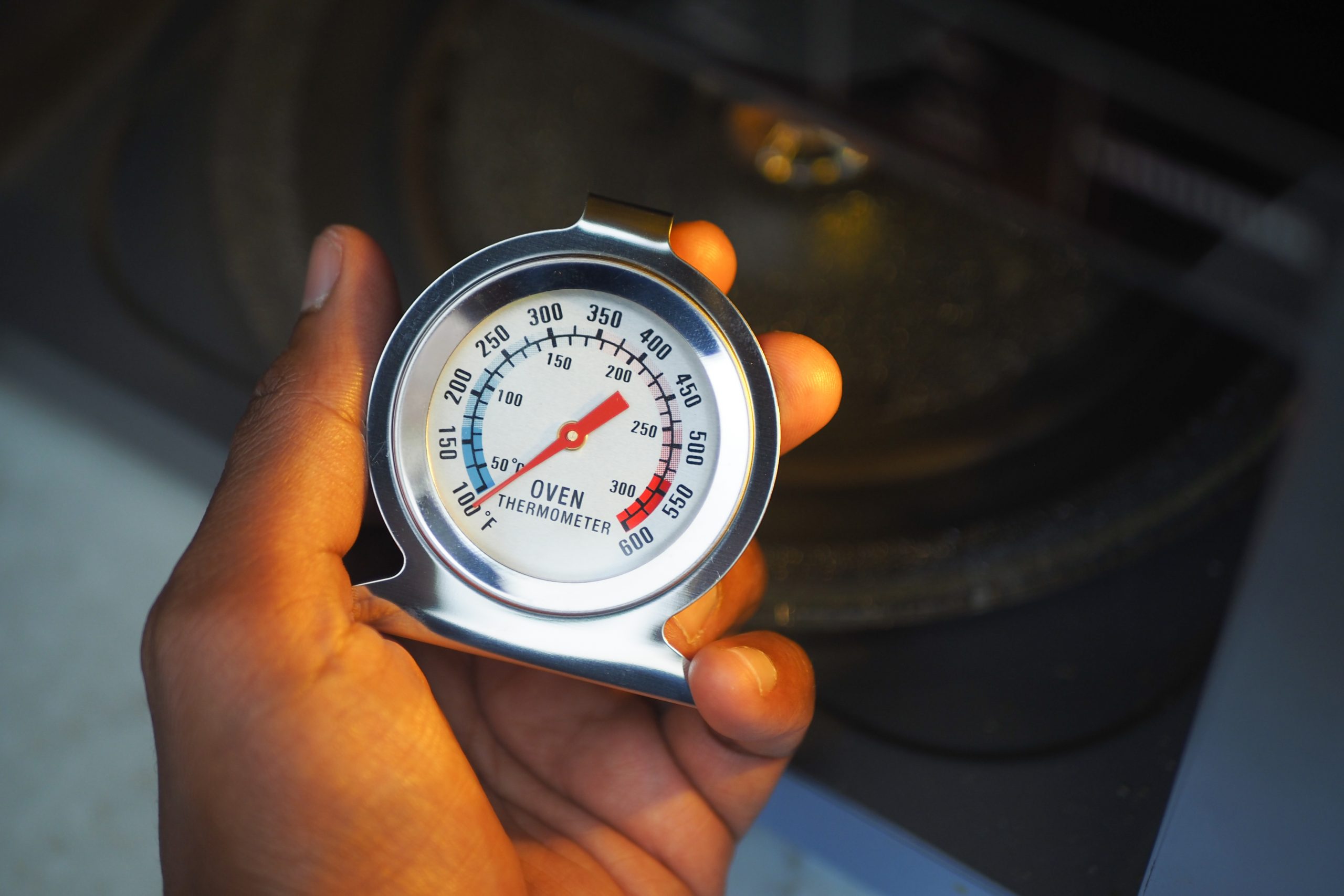
- Get an oven thermometer: Invest in a quality oven-safe thermometer designed specifically for home ovens.
- Position the thermometer correctly: Place it on the center rack in the middle of your oven, avoiding the sides or corners where heat may be uneven.
- Set the oven temperature: Choose a common cooking temperature such as 350°F, and preheat the oven.
- Let it stabilize: Wait at least 10–15 minutes after the oven signals it has preheated, then check the thermometer reading.
- Compare to the temperature setting: If the thermometer indicates the temperature is more than 10–15 degrees off, your oven might need calibration.
- Repeat the test: Try again at other temperatures, like 300°F and 400°F, to see if the variation is consistent.
For ovens with digital controls, you can often recalibrate them through the settings menu. Manual models typically require a technician to make adjustments. Either way, testing helps ensure your holiday meals cook evenly and come out perfectly every time.
Common Causes of Oven Temperature Inaccuracy
If you discover your oven temperature is off, a few common culprits may be to blame:
- Aging components: Heating elements naturally wear out over time and produce less consistent heat.
- Faulty temperature sensors: Many modern ovens rely on sensors to regulate temperature. A damaged or dirty sensor can easily throw off readings.
- Poor door seal: If your oven door doesn’t close tightly or the gasket is worn, heat can escape, affecting cooking performance.
- Buildup inside the oven: Layers of grease and food debris can block airflow and cause uneven heating.
- Inconsistent rack placement: The position of your food or thermometer can create hot and cold spots within the oven cavity.
Solutions for Temperature Inaccuracy
If your oven isn’t holding the correct temperature, don’t panic—there are a few ways to fix it:
- Calibrate the oven: Many ovens allow you to adjust temperature settings to compensate for variations. Check your manual for instructions.
- Replace worn or damaged parts: Replacing old heating elements or sensors can dramatically improve accuracy.
- Inspect the door seal: If it’s cracked or loose, have it replaced to ensure heat stays where it belongs.
- Clean regularly: Removing grease and residue helps heat circulate properly.
- Schedule service: If you’ve tested, calibrated, and cleaned your oven but still notice uneven cooking, it’s time to have it inspected by a professional oven technician.
Having your oven serviced before the holidays ensures that your meals come out exactly as planned. You’ll spend less time worrying about undercooked pies and more time enjoying the company of your guests.
Expert Oven Repair for Holiday Cooking Success
Nothing is worse than discovering oven problems the day before a big family dinner. That’s where Jersey Coast Appliance comes in. Our expert technicians are experienced in diagnosing and repairing all types of ovens, from traditional models to the latest digital units. Whether your oven needs calibration, sensor replacement, or a simple tune-up, our team can ensure it’s ready for the busy holiday season.
With over 40 years of trusted service in Ocean and Monmouth Counties, Jersey Coast Appliance offers reliable repair, maintenance, and replacement options for all major brands. If you’ve mastered how to test the oven temperature and it’s off, or your oven isn’t performing as it should, don’t wait. Schedule a professional inspection today to ensure your oven operates properly for the holidays and throughout the year.

Oven Temperature FAQs
Why does my oven take longer to cook food than recipes suggest?
Your oven may be running cooler than the set temperature. Testing it with an oven thermometer can confirm if calibration is needed.
Can I recalibrate my oven myself?
Some ovens include a calibration option in their settings, but others require a technician. Always check your owner’s manual first.
How often should I test my oven temperature?
It’s a good idea to test your oven at least once a year, especially before major cooking seasons like the holidays.
What kind of thermometer should I use to test oven temperature?
Use an oven-safe thermometer rated for high heat. Avoid using instant-read food thermometers.
What should I do if my oven door doesn’t close tightly?
Check the rubber gasket for cracks or warping. Replacing it is an easy fix that can greatly improve temperature accuracy.
Can the buildup inside my oven affect the temperature?
Yes, grease or debris can block airflow and cause uneven heating. Regular cleaning helps maintain consistent performance.
When should I call a professional for oven repair?
If calibration doesn’t fix the issue or your oven consistently runs too hot or too cold, it’s best to call a professional technician.